THE QUIET VIOLENCE OF THE CLOCK
- ANDIE SZATMARI
- 12 hours ago
- 3 min read

The sun doesn't set in Tromsø for two months straight. Somewhere around day three, your body stops trusting the clock on your phone. What replaces it isn't freedom. It's something closer to actual rest.
The clock is a relatively recent invention pretending to be an ancient truth. For most of human history, time was approximate, seasonal, local. You woke when it got light. You stopped when it got dark. The day had a shape decided by the sun, not a number on a wall.

the clock is newer than it feels
Then came the railways. Standardised time wasn't a philosophical project. It was a logistics problem: trains couldn't run on schedule if every town kept its own local time, so in the 1840s, Britain imposed a single clock across the country. The rest of the industrialised world followed. Within a generation, people who had organised their lives around light and season were synchronising themselves to a timetable built for locomotives. We've been doing it ever since, and we've gotten so good at it that we've forgotten it was ever a choice.
the midnight sun removes the number from the wall
What replaces it is stranger than you'd expect. Not freedom exactly, though it feels like that at first. More like vertigo. You eat dinner at 9pm because the light says afternoon. You go for a walk at midnight because the light says early evening. Your body, which has obeyed the clock for so long it forgot there were other instructions, starts receiving conflicting signals and quietly loses the plot.

the productivity myth collapses first
The clock is the engine of productivity culture: this hour is for work, this one is for rest, and any hour not spent doing something feels wasted. Remove the clock and the whole structure falls away.
There's no wasted hour when every hour looks exactly like every other. There's only what you actually feel like doing, which turns out to be a surprisingly hard question if you haven't asked it in years.
Then the meals drift. Then the sleep. Then you stop checking your phone for the time, because the time has stopped meaning anything, and somewhere in that process you notice you'd been checking it every twelve minutes without knowing why.
time stops meaning anything
What the midnight sun does, if you let it, is return you to your actual appetite. Not hunger at 1pm because that's when lunch is. Real hunger. Not tired at 11pm because that's when sleep is supposed to start. Real tiredness. The body has its own clock, and it's older and more honest than the one on the wall. Most people haven't heard from it in years.
There's a specific quality to 2am in Tromsø in summer. It doesn't look like morning. It doesn't look like evening. It doesn't look like anything English has a word for.
People who are awake at that hour tend to be very quiet. You just sit with the fact that it's 2am, the sun is still there, the fjord is completely still, and time, for once, isn't asking anything of you.
time without instructions
The midnight sun gives you time without instructions. Most people find that disorienting for about three days. Then it turns into the closest thing to rest they've had in years.
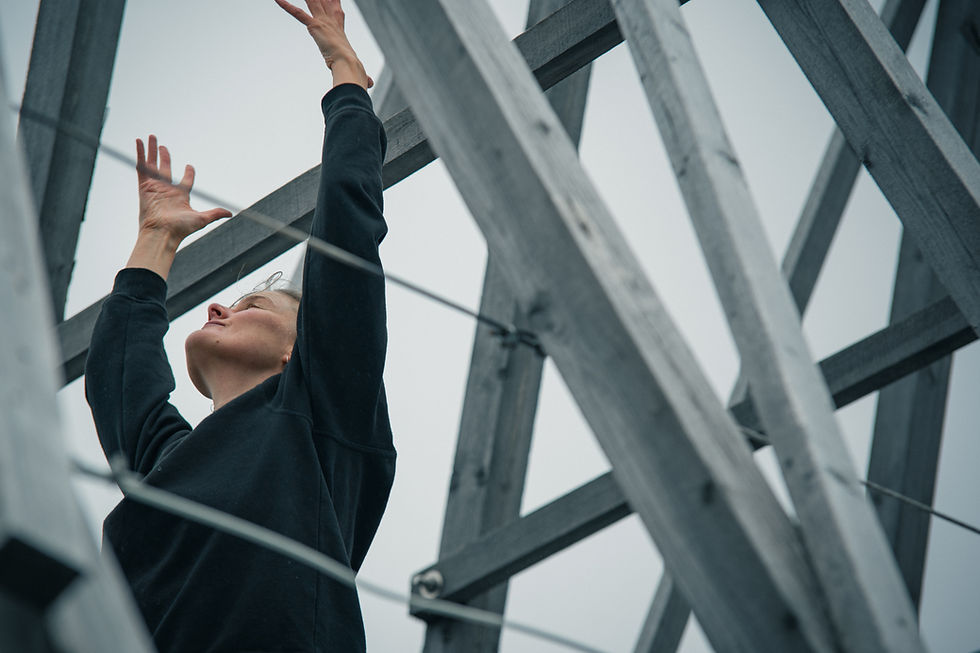
I shoot most of my Arctic and midnight sun sessions in exactly this window, the hours nobody's phone alarm prepared them for. If you're in Tromsø when the sun refuses to set, that's the stretch worth having a photograph of.


Comments